The Albatross’s Arrival
The Rime of the Ancient MarinerThe Albatross’s Arrival is the turning point in the voyage’s passage through the polar ice: an albatross emerges from fog and snow as the ice breaks and a south wind rises, and follows the ship out. The bird’s appearance brings companionship amid an elemental danger, but the Ancient Mariner’s later revelation that he shot it makes the arrival the prelude to the voyage’s central act of violence and his ensuing penance.
Polar Ice and the Bird’s Appearance
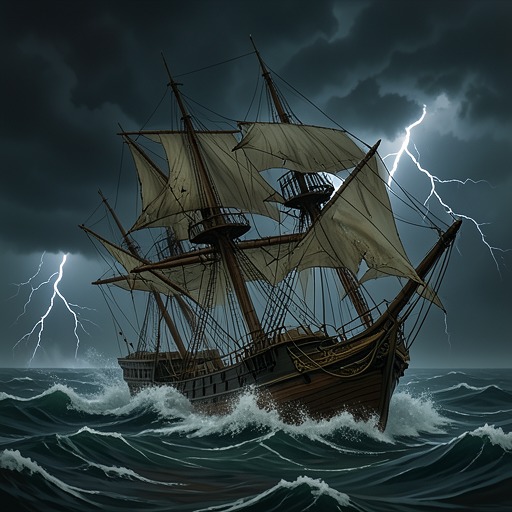
The encounter follows the ship’s flight south under a powerful storm and its entry into a region of mist, snow, and floating ice. In that cold, obstructed landscape, the albatross crosses the ship’s path through the fog. The poem presents its arrival as a striking change in the scene: a living creature appears where the surrounding conditions have made the voyage seem hostile and isolating.
The bird’s arrival is followed by a physical opening in the ice. The ice splits with a thunderous crash, and the helmsman steers the vessel through. A good south wind then springs up behind the ship. The sequence links the albatross to the ship’s release from immediate confinement, although the poem describes the bird’s appearance alongside these changes rather than explaining it as their cause.
A Companion on the Voyage
After the ice opens and the wind returns, the albatross follows the ship. Its presence accompanies the crew’s movement out of the frozen region and gives the encounter a continuing place in the voyage rather than leaving it as a momentary sighting. The bird’s arrival thus marks both a change in the ship’s circumstances and the beginning of a relationship between the creature and the crew.
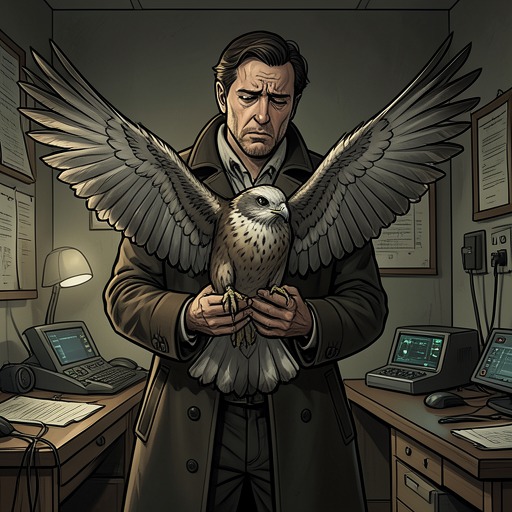
That welcome is shadowed by what the Ancient Mariner later tells the Wedding-Guest: he raises his crossbow and shoots the albatross. In retrospect, the rescue-like circumstances make the killing especially consequential. The bird first appears amid the ship’s release from ice and renewed wind; its destruction becomes the deed for which the Mariner suffers, transforming an apparent passage toward safety into the origin of his moral and spiritual ordeal.
Retrospective Meaning
The event gains its full significance through the difference between the voyage as the crew experiences it and the voyage as the Ancient Mariner recounts it. At the moment of arrival, the bird accompanies a favorable change in the ship’s prospects. In the later telling, the Mariner’s disclosure of the shooting recasts that companionship as a bond he has violated. The Wedding-Guest’s response, invoking the man who died on the cross, connects the killing to the poem’s language of cruelty, sin, and religious judgment.
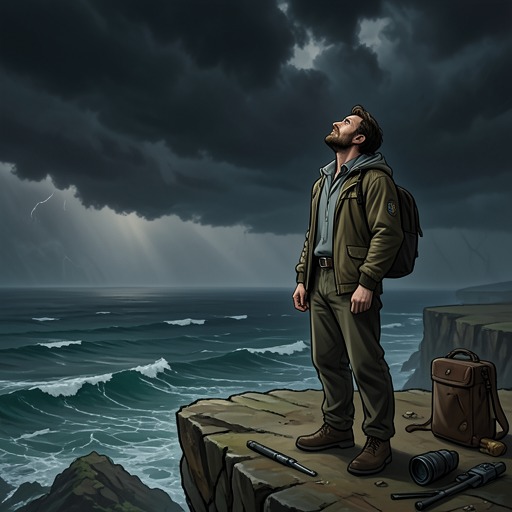
The later course of the tale deepens the contrast between the bird’s welcome and the Mariner’s act. The ship becomes becalmed; the Mariner looks toward Heaven and tries to pray, but cannot begin a prayer; and, after sleep is granted through the intercession of Mary Queen, the dead crew rise and work the ship while it moves without a breeze. Near the end, the Mariner hears oars as rescuers approach. These later episodes belong to the consequences of the voyage, not to the arrival itself, but they show how the first encounter is remembered within a much longer account of suffering and return.
Significance
The albatross’s arrival establishes a pattern of relief followed by reversal. The ice breaks, the wind rises, and the bird remains with the ship; then the Mariner’s violence turns that apparent blessing into a lasting burden. The event therefore matters not only as a change in the ship’s immediate conditions but as the point from which the poem develops its account of guilt, prayer, and the moral importance of love for living creatures.
The tale’s closing principle—that the best prayer belongs to the one who loves best, including human beings, birds, and beasts—resonates with the arrival’s initial presentation of the bird as a living companion. The Mariner’s journey returns to that lesson through the consequences of having destroyed the creature that appeared as the ship emerged from the ice.